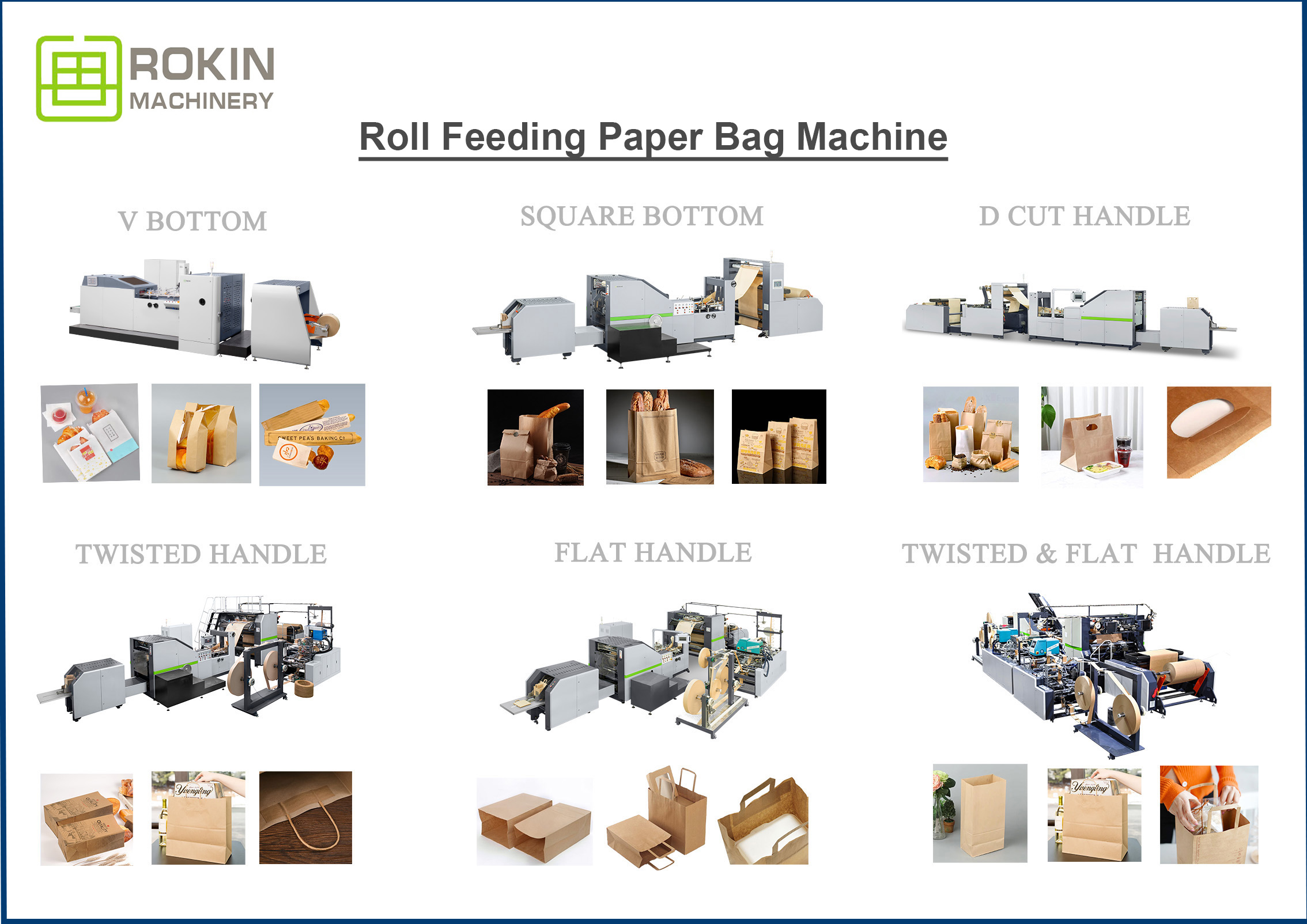
Applications of Food-Grade Paper Bags
The global market for food-service paper bags—used for takeout and food packaging—is projected to reach approximately $5.1 billion by 2026, growing at a steady rate of 5.8%. In China, the domestic market for food-service paper bags is valued in the tens of billions of RMB and is experiencing even faster growth; biodegradable, coated paper bags represent a key growth segment for the future. According to industry data, the Chinese market for food-service paper bags (covering takeout, bakery, and fast-food packaging) is expected to reach approximately 12.4 billion RMB in 2025 and 14.2 billion RMB in 2026—a year-on-year growth rate of roughly 14%–18%, significantly outpacing the broader packaging sector. This growth is primarily driven by domestic plastic-reduction policies and the
massive scale of food delivery services like Meituan and Ele.me. In USD terms, the total Chinese market for food-grade paper bags is estimated at approximately $4.9 billion for 2025, with a projected value of $7.2 billion by 2033, representing a compound annual growth rate (CAGR) of approximately 5.4%. The global market is primarily categorized according to two main frameworks:
1. Foodservice Paper Bags (e.g., SOS [self-opening sack] bags, takeout bags for fried chicken or bread—a classification commonly used in international trade, such as by FMI)
• 2026: $5.1 billion
• 2036: $8.9 billion
• CAGR: 5.8%
• Key Highlights: SOS square-bottom bags account for the largest share (29%) and are the primary product type produced by standard paper bag-making machinery. Demand is driven largely by the food delivery and fast-food chain sectors. India is the fastest-growing market, while China represents the largest single market by volume.
2. Broad-Scope Food-Grade Paper Bags (encompassing bags for baked goods, dry goods, fresh produce, and industrial food packaging)
• 2025: Approximately $14.4 billion
• 2032: Approximately $20.9 billion
• CAGR: 5.45%; the Asia-Pacific region is the largest market.
Based on application scenarios, food-grade paper bags can be categorized into several major types:
Food-grade paper bags are manufactured using food-safe base paper, greaseproof paper, coated paper, or biodegradable-laminated kraft paper. They are designed for the direct or indirect packaging of food products. Their core advantages include suitability for brand printing, biodegradability, breathability, and compliance with "anti-plastic" (plastic-ban) policies. They are generally divided into two categories: bags for direct food contact and takeout carrier bags. Demand Structure: SOS (Self-Opening Sack) bags with handles for fast food/takeout > Bakery/bread bags > Grease-resistant pointed-bottom snack bags > Stand-up pouches for dry goods
1. Bakeries
Baguette sleeves, loaf (toast) bags, windowed bread bags, pastry bags, cookie bags
Requirements: Moderate breathability to prevent moisture from softening the bread; grease-resistant paper for buttery pastries; windowed bags for attractive product display
Bag styles: Pointed-bottom, square-bottom, and windowed bags
2. Fast Food, Fried Chicken, Burgers, and Snacks
Bags for fried chicken, French fries, burgers, *shouzhua bing* (scallion pancakes), *roujiamo* (Chinese meat burgers), and skewers
Requirements: Grease-resistant and slightly water-resistant—typically using PE or biodegradable PLA coatings; must be leak-proof and durable (tear-resistant)
Takeout essentials: Square-bottom SOS bags with handles (for food containers and beverages)
3. Coffee, Tea, and Light Meals
Takeout bags for coffee, sandwiches, bagels, and salads
Often feature custom color printing and brand logos; focused on aesthetic appeal
4. Dry Goods, Snacks, and Bulk Specialty Items
Nuts, roasted snacks, candies, dried fruits, tea, grains, flour, and rice noodles
Stand-up pouches and gusseted bags (some with resealable strips); coffee bean bags often feature aluminum foil lamination and a one-way degassing valve for freshness
5. Fresh Produce and Supermarket Retail
Bags for fruits, vegetables, and mushrooms; shopping bags for bulk dry goods
Thickened kraft paper for high load-bearing capacity; moisture-resistant coatings used for fresh produce with high moisture content
6. Group Catering, Exhibitions, Markets, and Food Events
Paper bags for bento/boxed meals, popcorn bags, gift bags for holidays, and snack bags for carnivals/festivals
Customizable printing available for events Ideal for branding (logo placement), single-use, and easily recyclable.
Based on their typical application scenarios, paper bag machines can be categorized into two main types:
1. V-bottom (pointed-bottom) paper bag machines, primarily used for food packaging.
2. Square-bottom paper bag machines, which are further divided into two varieties—those without handles and those with handles—used for food packaging and retail carry-out, respectively.
Please feel free to consult with our sales representatives to obtain detailed information and specifications.
Company: Wenzhou Rokin Machinery Co., LTD
Email: china@rokinmachine.cn
WhatsApp/WeChat: +8619519778302